


Stimulators
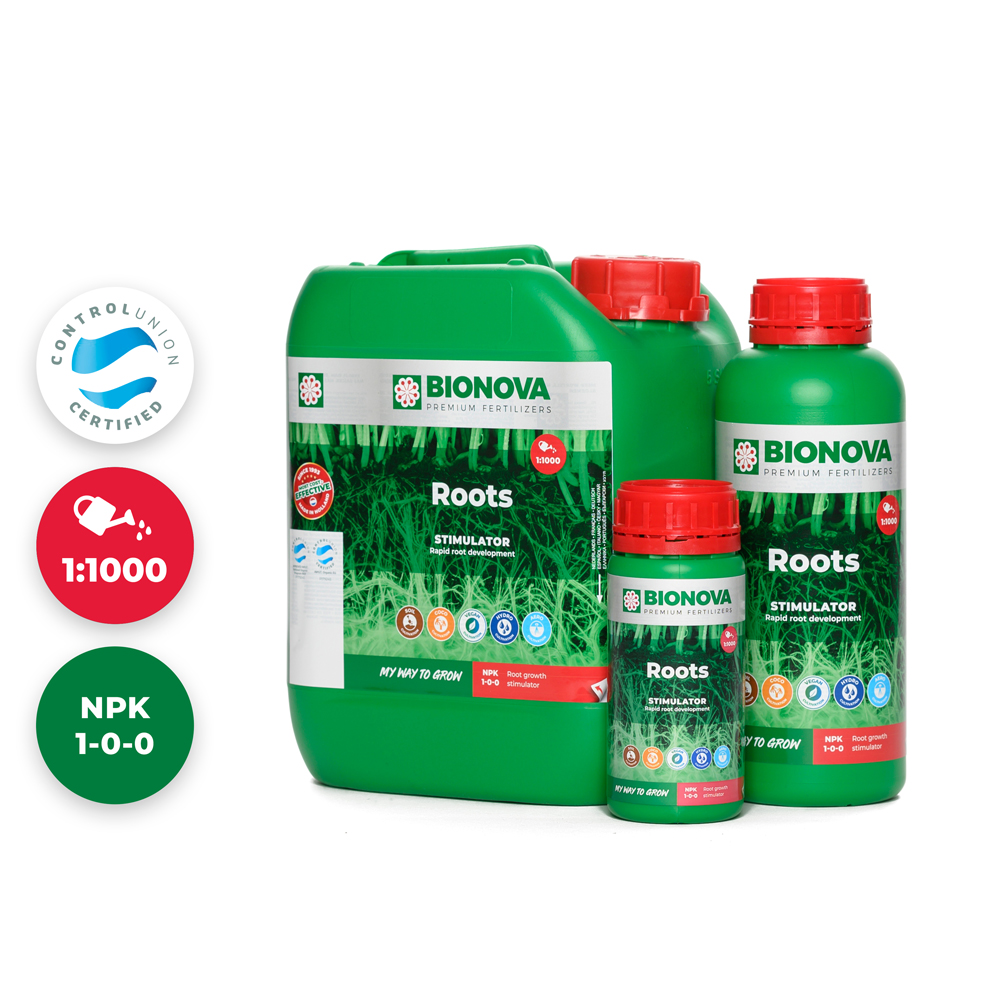
BN Roots More roots, more flowers! Why? Thanks to its high concentration, the most efficient root stimulator on the market! Crucial for fast root development in young plants! Develops more root hairs to absorb more nutrients! More resistance to stress thanks to a better-developed root system! What is Roots? Roots is one of the first established Bionova products, developed with extensive research into root development and strengthening. This product was researched and produced together with several European horticultural companies and universities worldwide. Bionova Roots consists of the following main ingredients: humic acids (improve oxygen uptake, speed up root and cell development and accelerate ion transport), kelp (heals wounds and chlorosis, increases chlorophyll development and ensures more root hair development), ascorbic acid (vitamin C), thiamine (vitamin B1), myo-inositol (also known as vitamin B7, for building cell walls), L-glycine (amino acid, for better resistance and growth) When do you use Roots? Roots can be used from the first week of growth for up to 3 consecutive weeks after the first application. Roots can be used in combination with all Bionova nutrients, stimulators, minerals, universal products and substrates. How do I use Roots? Application via watering Use Roots for 3 consecutive weeks from the moment you start growing, at a dilution of 5-8 ml per 10 litres of water. Tips from the growers! A plant’s root system is where essential nutrients are absorbed and distributed to the rest of the plant. Indoor growers who focus their energy on promoting and maintaining a healthy root system are more likely to have fewer problems and bigger yields in every growth cycle. WHAT’S INSIDE? Vitamins Ascorbic acid (vitamin C): 1. L-ascorbic acid (vitamin C) is just as important for plants as for animals. Ascorbic acid acts as an important redox buffer and as a cofactor for enzymes involved in regulating photosynthesis, hormone biosynthesis and the regeneration of other antioxidants. 2. It has various functions in photosynthesis as an enzyme cofactor (including the synthesis of ethylene, gibberellins and anthocyanins) and in controlling cell growth. Seaweed:1. Helps seeds germinate faster; 2. High cytokinin levels; 3. Reduces stress when taking cuttings; 4. Promotes rooting; 5. Builds immunity; 6. More intense colour and taste; 7. Longer shelf life; 8. Produces more and bigger buds and flowers; 9. Counteracts nutrient deficiencies and fights insects and diseases. Vitamins Thiamine (vitamin B): 1. In plants, thiamine is known to act as a cofactor for important metabolic activities. Thiamine is known to be an essential regulator that plays an important role in the plant’s primary regulatory system.2. Thiamine acts as a response molecule and protects plants against abiotic and biotic stress Organic acids Humic acid: 1. Humic acids are an excellent natural, organic way to supply plants and soil with a concentrated dose of essential nutrients, vitamins and trace elements.2. Humic acids are the organic substances that coagulate when the strongly alkaline extract is acidified 3. Substances such as fulvic acid remain soluble when the strongly alkaline extract is acidified. 4. Humic acids regulate the pH value and can neutralise both acidic and alkaline soils. They improve and optimise the uptake of nutrients and water by plants and increase the buffering properties of the soil. Soil improver 1% total nitrogen (N), of which:1% organic nitrogen (N) of plant origin. 0.15% sodium (Na) With micronutrients: 0.081% manganese (Mn), water-soluble, EDTA chelate.0.001% molybdenum (Mo) Also contains: kelp extract; ascorbic acid; thiamine; inositol; glycine.
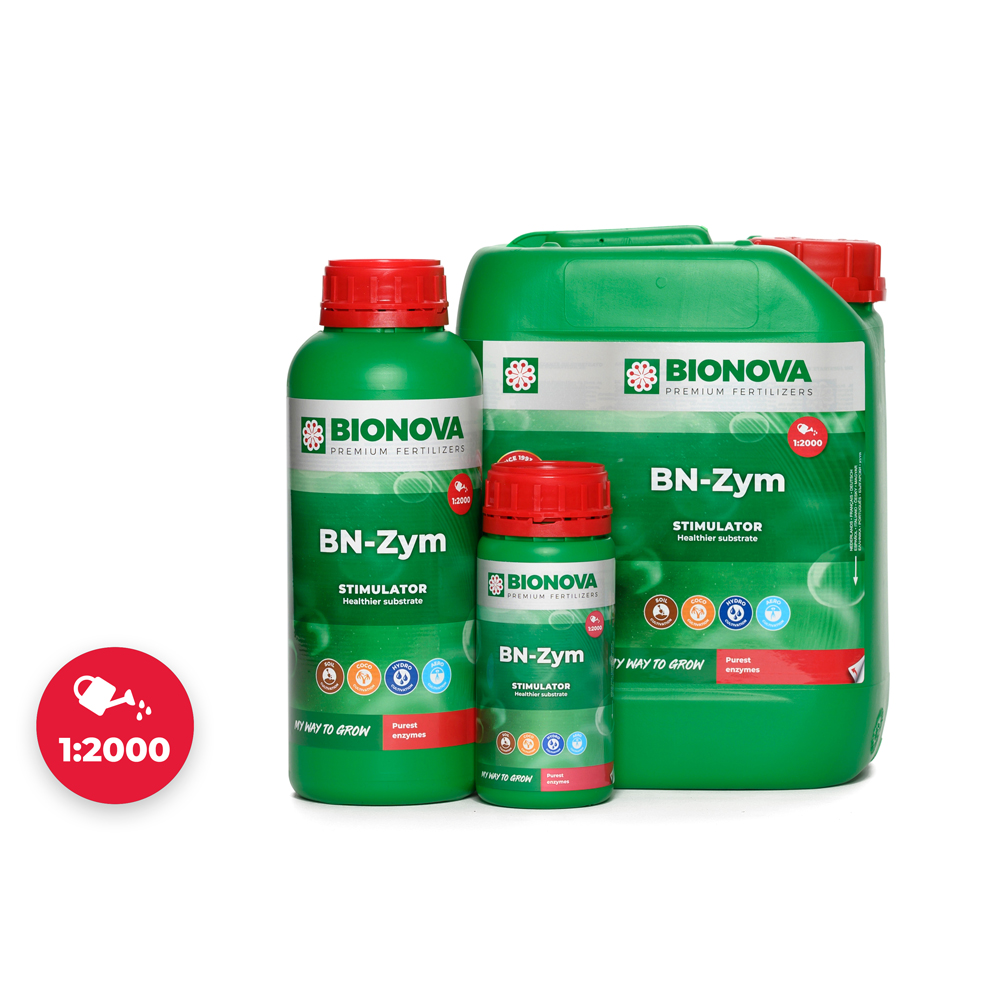
BN-Zym The substrate energiser WHY Bionova Zym is a natural biocatalyst! Stimulates the water-holding capacity of any medium and reduces the surface tension of water! Bionova Zym brings more oxygen into your substrate! Speeds up flushing from 2 weeks to 4 days! What is BN-Zym? Zym brings increased bacterial activity that converts nutrients and minerals in your substrate into material the roots can absorb directly. BN-Zym catalyses waste products and returns them to the plants in the form of absorbable nutrients. It also keeps the medium clean and free of all kinds of excess components. This is important for every grow, and especially for those who reuse their soil and coco substrates. When should BN-Zym be used? BN-Zym can be used from the first week of growth until the last week of flowering. BN-Zym can be used in combination with all Bionova nutrients, stimulators, minerals, universal products and substrates. Bionova Zym can be used for watering and as a foliar spray. How should BN-Zym be used? Application via watering Continuously 5-10 ml per 10 litres of water. Application as a foliar spray Cannot be used as a foliar spray Tips from the growers! To get the most out of the enzyme solution, it should be applied directly to the soil. Remember that the important enzymes are found in the soil around the plant’s root system. Healthier substrate WHAT’S INSIDE? Potassium: 1. Potassium regulates the opening and closing of stomata and thus the uptake of CO2, which improves photosynthesis. 2. It triggers the activation of important biochemical enzymes for the formation of adenosine triphosphate (ATP). ATP provides energy for other chemical and physiological processes such as the excretion of waste products in plants. 3. It plays a role in the osmoregulation of water and other salts in plant tissues and cells. 4. Potassium also facilitates protein and starch synthesis in plants. 5. It activates enzymes responsible for specific functions. Beta-glucanase:1. Plays a key role in cell division, material transport through plasmodesmata and resistance to abiotic stress, and is involved in everything from flower formation to seed ripening. 2. Commonly known as pathogenesis-related (PR) proteins, which play an important role not only in plant defence against fungal pathogens but also in plant physiological and developmental processes. Xylanase: 1. Plays an important role for microorganisms that thrive on plant sources, breaking down plant material into usable nutrients.2. Breaks down the linear polysaccharide xylan into xylose, thereby breaking down hemicellulose, one of the main components of plant cell walls. Cellulase: 1. Cellulase enzymes are used to break down the cellulose of plant cell walls into simple sugars that microbes can convert (ferment) into fuels, mainly ethanol, as well as chemicals, plastics, fibres, detergents, pharmaceuticals and many other products.2. Plays an important role in the global carbon cycle by breaking down insoluble cellulose into soluble sugars. 3. Cellulases are used to break down the cell wall and obtain protoplasts. Cellulases are synthesised by certain microorganisms (bacteria, fungi, protozoa). Organic soil improver 0.5% phosphorus pentoxide (P2O5) 0.27% potassium oxide (K2O) Also contains: pectinase, amylase, cellulase. All enzymes used are free of animal substances.
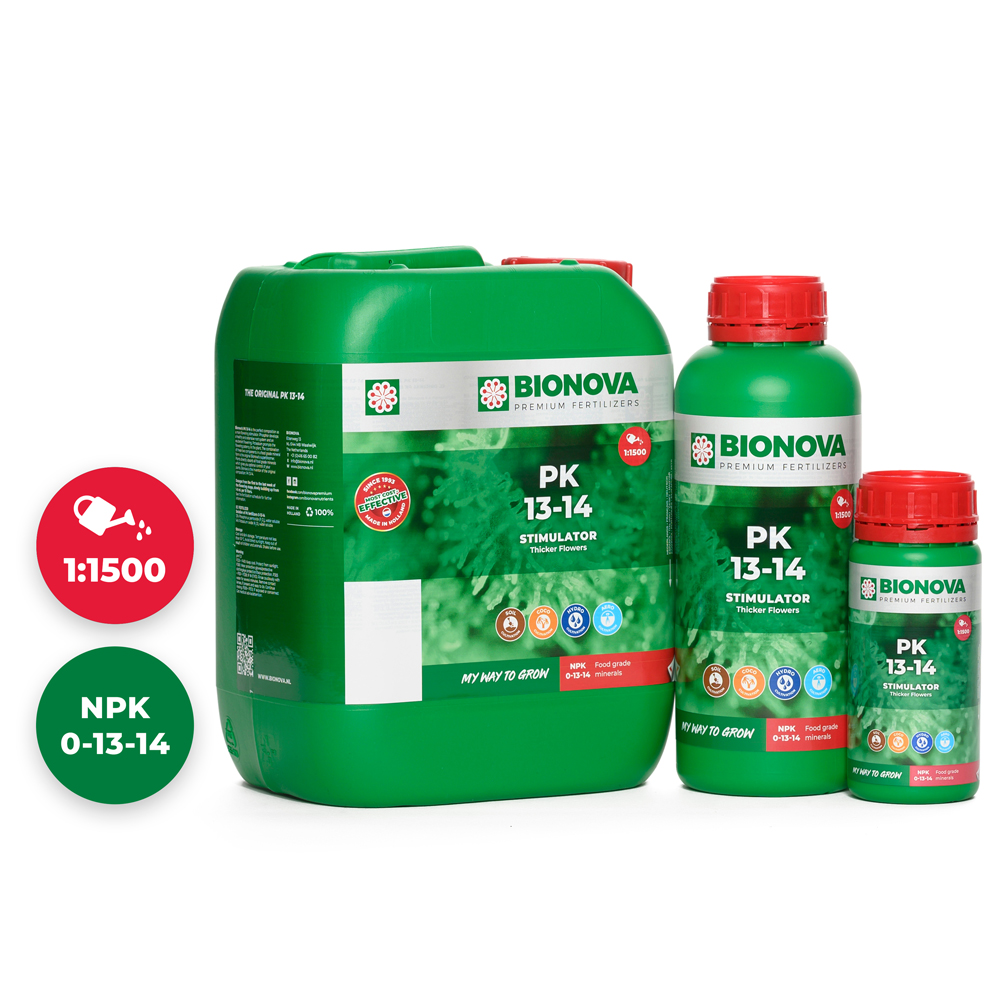
PK 13-14 The original PK 13-14 WHY Considerably increases the yield and quality of all treated plants! Contains hardly any ballast salts or heavy metals! More dry weight in the end product! The perfectly balanced combination of phosphorus and potassium! What is PK 13-14? PK 13-14 is the perfectly balanced combination of phosphorus and potassium. Phosphorus activates flowering in every treated plant, and potassium promotes flowering and produces an exuberant bloom. It is made with food-grade minerals, one of the purest forms of minerals, and contains hardly any ballast salts or heavy metals. This means PK 13-14 can be absorbed directly by the root system and no heavy metals remain in the end product. PK 13-14 should always be used in combination with one of the following Bionova main nutrients: Soil Supermix, Hydro Supermix, Aero Supermix or Autoflower Supermix. When should PK 13-14 be used? Use 2-6 ml of PK 13-14 per 10 litres from the first week of flowering until the last week of flowering. PK 13-14 can be used in combination with all Bionova nutrients, stimulators, minerals, universal products and substrates. How do you use PK 13-14?Application via watering Shake well and add 2-6 ml per 10 litres every time you prepare your nutrient solution. Use this solution every time the plants are watered throughout the flowering period. Tips from the growers! Deficiency symptoms are often caused by poor-quality substrates and/or abnormal pH values of the nutrient solution. To cure deficient plants, you can apply a PK 13-14 solution at a dilution of 2.5-5 ml in 10 litres of water by watering or as a foliar spray. WHAT’S INSIDE? Phosphorus: 1. The function of phosphorus in plants is very important. It helps a plant convert other nutrients into usable building blocks with which it can grow. Phosphorus is one of the three main nutrients most commonly found in fertilisers and is the “P” in the NPK balance listed on fertilisers. 2. Phosphorus is like a power plant inside plants and plays a role in every process in which energy is transferred from one function to another. These energy transfers include growing roots or forming flowers and fruit. Phosphorus initiates the conversion of nitrogen into amino acids and is the trigger that converts sunlight into carbohydrates. This element is needed most urgently during transition periods in plant growth, such as at the end of vegetative growth and the start of the flowering phase.P+K:The perfect combination when your plants are flowering! 1. Bionova is the inventor of the original composition: PK 13-14. An indispensable additive. 2. Bionova PK 13-14 has a higher concentration than most of our competitors! 3. Bionova PK 13-14 is made from the highest-quality food-grade minerals. This ensures our PK 13-14 is available to the plant within a few hours, giving you optimal control of your plants. Potassium: 1. Is linked to the transport of water, nutrients and carbohydrates in the plant tissue. It is involved in enzyme activation in the plant, which affects the production of proteins, starch and adenosine triphosphate (ATP). ATP production can regulate the rate of photosynthesis. 2. Plants “breathe” carbon dioxide through tiny pores in the leaves known as stomata. When potassium enters the cells around the stomata, the cells collect water and swell, opening the pores and allowing CO2 in. When the water supply is not optimal, the potassium in the cells around the stomata decreases, closing the pores to prevent water loss and minimise drought stress. When the flowering phase begins, potassium is a catalyst in the production and supply of the starch and sugars needed for complete flower formation.Minerals: Certain minerals such as phosphorus and magnesium are essential for the reproduction, growth and development of the plant. The minerals absorbed by the roots are mineral ions dissolved in the soil and water. They help plants complete their life cycle and produce seeds. EC FERTILISER: solution of PK fertiliser 0-13-14 13% phosphorus pentoxide (P2O5), water-soluble 14% potassium oxide (K2O), water-soluble
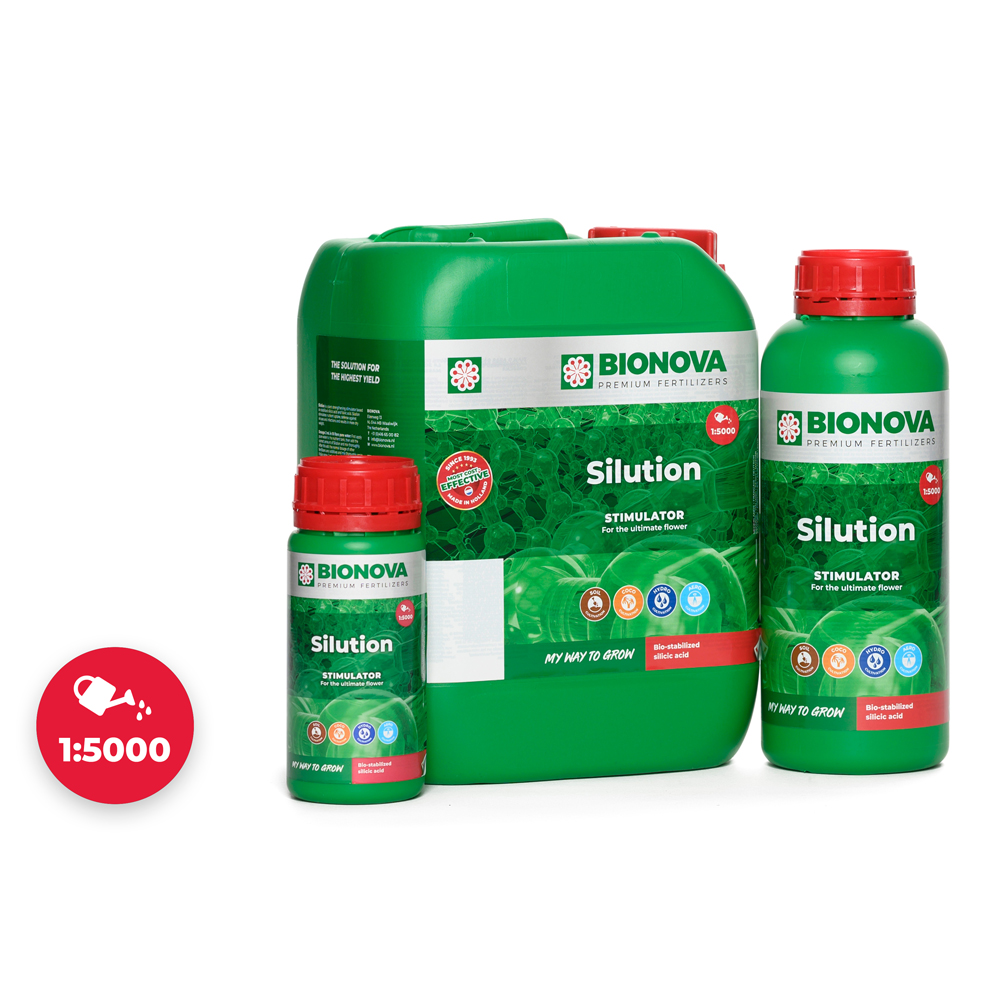
Silution The solution for the highest yield! WHY The only bio-stabilised monosilicic acid, enriched with premium fulvic acid! Bionova’s formula, patented worldwide! Guaranteed monosilicic acid! Bigger, denser flowers! What is Silution?The effectiveness of Silution in strengthening the plant and stimulating growth and flowering is especially visible for growers with less-than-optimal growing conditions, such as growing in warm climates and under conditions with a high risk of infection. Although silicon is found in the soil almost everywhere on earth, it is usually not available to plants. Most substrates contain no plant-available silicon. The monosilicic acid in Silution is the only form of silicon that is 100% bioavailable to the roots. When should Silution be used? Always put water in the tank first, then add the right amount of Silution and mix thoroughly! Then add the normal dosage of other nutrients and stimulants and mix thoroughly again! Silution can be used from the first week of growth until the last week of flowering. Silution can be used in combination with all Bionova nutrients, stimulators, minerals, universal products and substrates. Bionova Silution can be used for watering and as a foliar spray. How do you use Silution? Application via watering First mix 2 ml thoroughly into 10 litres of water. Then add all other nutrients and stimulators. Application as a foliar spray Spray Silution from the start to the end of the growth phase to promote the number of internodes, which leads to a bigger harvest. Mix 2 ml per 1 litre of water. WHAT’S INSIDE? Silicon (Si) as (Si(OH)4):1. It has been found to improve drought tolerance and delay wilting in certain crops where irrigation is withheld, and to improve the plant’s ability to withstand drought and metal toxicity. 2. Promotes the strengthening of cell walls and provides increased mechanical support to the above-ground parts of the plant. Potassium: 1. Potassium regulates the opening and closing of stomata and thus the uptake of CO2, which improves photosynthesis. 2. It triggers the activation of important biochemical enzymes for the formation of adenosine triphosphate (ATP). ATP provides energy for other chemical and physiological processes such as the excretion of waste products in plants. 3. It plays a role in the osmoregulation of water and other salts in plant tissues and cells. 4. Potassium also facilitates protein and starch synthesis in plants. 5. It activates enzymes responsible for specific functions. Fulvic acid: 1. Fulvic acid is one of the 3 humus components and is formed when plants are digested by microorganisms. It is a substance with many positive effects on plant and substrate health. For example, fulvic acid mobilises nutrients to and within plants. 2. Iron and magnesium ions are essential for photosynthesis, and fulvic acid promotes the transport of these ions from the soil into plant cells through a chelating effect, which activates photosynthesis.3. In nature, fulvic acid plays an essential role in mobilising minerals and creating all kinds of compounds that help plants absorb nutrients. Boron (B), zinc (Zn): 1. Boron is mainly involved in cell wall synthesis and structural integration. Boron plays a key role in a wide range of plant functions, including cell wall formation and stability, maintaining the structural and functional integrity of biological membranes, transporting sugar or energy into growing plant parts, and pollination and seed formation. 2. Zinc helps the plant produce chlorophyll. Zinc is an important component of various enzymes responsible for many metabolic reactions in all crops. Growth and development would stop if certain enzymes were not present in the plant tissue. Carbohydrate, protein and chlorophyll formation are significantly reduced in zinc-deficient plants. EC FERTILISER Mixture of the micronutrients boron and zinc. Micronutrients in percentage by weight: 0.6% boron (B), water-soluble: 1.4% zinc (Zn), water-soluble, EDTA-chelated. Also contains: 1.45% silicon dioxide (SiO2)
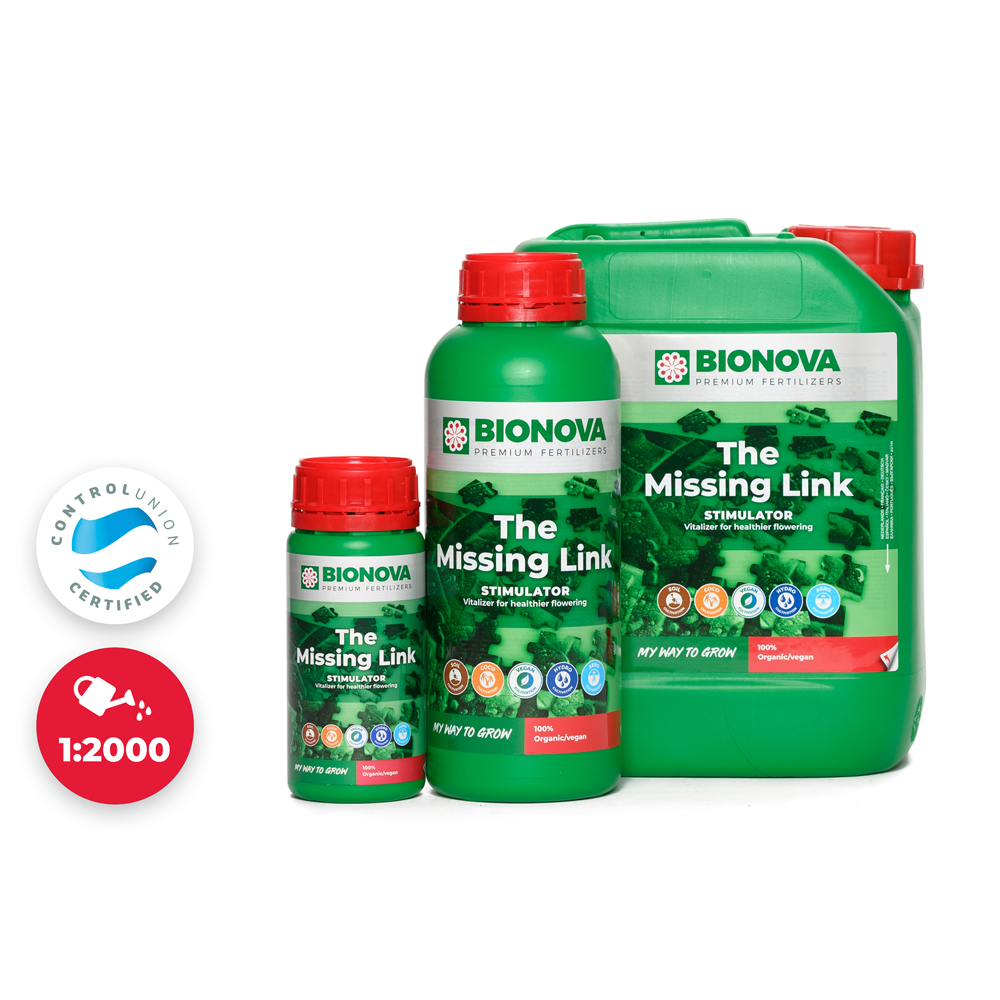
TML High-quality green plants! WHY Unique Bionova product – the missing piece of the puzzle! Uses the best and purest fulvic acid in the world for the ultimate immune system! Combined with Bionova’s patented silver formula! If you don’t use The Missing Link, your plants miss out on their full potential! What is The Missing Link? The Missing Link is a 100% certified organic and vegan stimulator. The world’s best fulvic acid creates the ultimate immune system, which considerably reduces stress factors. This lets the plant reach its full harvest potential with compact, vital growth and reduces the need for pesticides and fungicides. The Missing Link is an exclusive Bionova product for high-quality green plants! When should TML be used? The Missing Link can be used from the first week of growth until the last week of flowering. TML can be used in combination with all Bionova nutrients, stimulators, minerals, universal products and substrates. The Missing Link can be used for watering and as a foliar spray. How do you use TML? Application via watering Continuously 5-10 ml per 10 litres of water, from the first day to the end. Application as a foliar spray Use 0.25 ml to 0.50 ml per litre during growth and the first week of flowering. Apply a maximum of 3 times. WHAT’S INSIDE? Iron (Fe), manganese (Mn), boron (B), sulphur (S): 1. Iron: many of the plant’s vital functions, such as enzyme and chlorophyll production, nitrogen fixation, development and metabolism, all depend on iron. 2. Manganese: a metal that is an essential cofactor for the oxygen-evolving complex (OEC) of the photosynthesis machinery and catalyses the water-splitting reaction in photosystem II. 3. Boron: mainly involved in cell wall synthesis and structural integration. Sulphur: 1. It is used in the formation of amino acids, proteins and oils. It is needed for chlorophyll formation, promotes nodulation in legumes, helps develop and activate certain enzymes and vitamins, and is a structural component of two of the 21 protein-forming amino acids. 2. Glycine, which is often used to make a wide range of amino-chelate fertilisers. 3. Hydroxyproline, which provides structural integrity for mediating cell-to-cell interactions and communication. 4. Alanine, a defence substance that enables plants to withstand various stresses such as hypoxia, waterlogging and drought, and indirectly a precursor of the compounds pantothenate and CoA. 5. Arginine, an important storage and transport form of organic nitrogen in plants. 6. Lysine, an important signalling amino acid that regulates plant growth and responses to the environment. 7. Glutamine, an effective nitrogen source for plant growth. Fulvic acid: 1. Fulvic acid is one of the 3 humus components and is formed when plants are digested by microorganisms. It is a substance with many positive effects on plant and substrate health. For example, fulvic acid mobilises nutrients to and within plants. 2. Iron and magnesium ions are essential for photosynthesis, and fulvic acid promotes the transport of these ions from the soil into plant cells through a chelating effect, which activates photosynthesis.3. In nature, fulvic acid plays an essential role in mobilising minerals and creating all kinds of compounds that help plants absorb nutrients. Colloidal mixture of fulvic acids 0.15% total nitrogen (N), of which: 0.15% as ammoniacal nitrogen (N) With micronutrients: 0.037% iron (Fe), water-soluble, DTPA chelate. 0.001% manganese (Mn), water-soluble, EDTA chelate. 0.002% boron (B) Also contains: 1.25% fulvic acid.
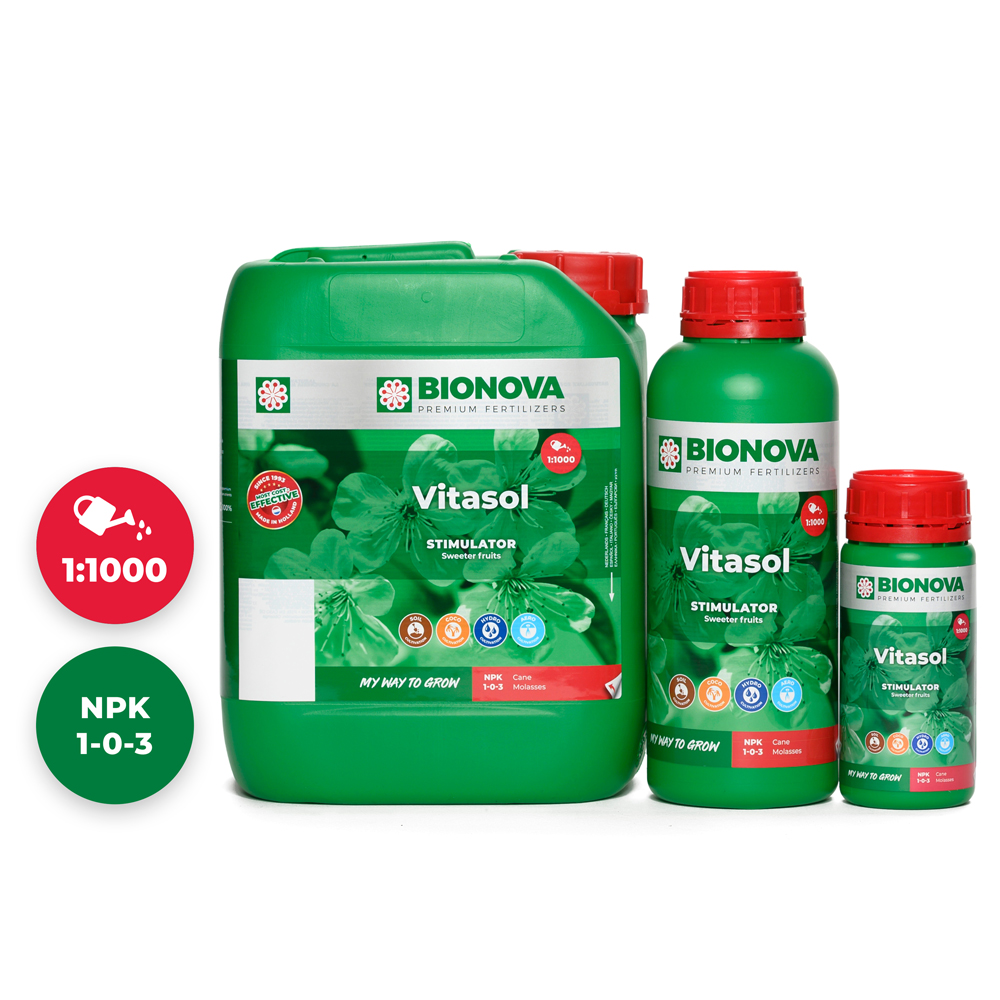
Vitasol Natural sweetness! WHY Develops a sweeter taste in every harvest! 100% natural ingredients in Vitasol provide natural sweetness! Vitasol offers a high capacity for absorbing sugars! Using Vitasol gives every flower more energy! What is Vitasol? This fruit sweetener contains natural sugars, calcium, magnesium, copper, lime, potassium, vitamins and many vegan trace elements. Vitasol is excellent as a converter of available nutrients. Especially in periods of high production and fast growth (with artificially lit plants) or when growth stagnates due to nutrient deficiency, using Vitasol in these flowering phases provides more energy.When should Vitasol be used? Use Vitasol as a sweetener in the last weeks of the flowering phase at a dosage of 5-10 ml per 10 litres. Bionova Vitasol as a microorganism boost: 2.5-5 ml per 10 litres. Vitasol can be used in combination with all Bionova nutrients, stimulators, minerals, universal products and substrates. How should Vitasol be used? Application via watering Shake well and add 4-10 ml per 10 litres every time you prepare your nutrient solution. Use this solution every time the plants are watered in the last weeks of flowering. Tips from the growers! Molasses helps feed the microbes already present in the substrate. But you can give your mix an extra punch by adding rhizobacteria as well. This type of bacteria does a lot of good by helping release nutrients and fight pathogens. WHAT’S INSIDE? Potassium: 1. Potassium regulates the opening and closing of stomata and thus the uptake of CO2, which improves photosynthesis. 2. It triggers the activation of important biochemical enzymes for the formation of adenosine triphosphate (ATP). ATP provides energy for other chemical and physiological processes such as the excretion of waste products in plants. 3. It plays a role in the osmoregulation of water and salts in plant tissues and cells. 4. Potassium also facilitates protein and starch synthesis in plants. 5. It activates enzymes responsible for specific functions.Sugar cane molasses:1. Sugar cane molasses stimulates and promotes fast plant growth and supplies the plant with iron, magnesium, potassium, sulphur and some trace elements. Molasses fertiliser protects plants against diseases, pests, heat stress and cold damage. 2. What does molasses do for the soil? Adding molasses to the soil has been shown to improve the bacterial health of the soil, making plants more receptive to nutrients and generally healthier. Amino acids: 1. Proline protects plants against various stresses and also helps plants recover from stress faster. 2. Glycine, which is often used to make a wide range of amino-chelate fertilisers. 3. Hydroxyproline, which provides structural integrity for mediating cell-to-cell interactions and communication. 4. Alanine, a defence substance that enables plants to withstand various stresses such as hypoxia, waterlogging and drought, and indirectly a precursor of the compounds pantothenate and CoA. 5. Arginine, an important storage and transport form of organic nitrogen in plants. 6. Lysine, an important signalling amino acid that regulates plant growth and responses to the environment. 7. Glutamine, an effective nitrogen source for plant growth Trace elements:1. Boron, mainly involved in cell wall synthesis and structural integration. 2. Copper is needed for many enzymatic activities in plants and for chlorophyll and seed production. 3. Iron: many of the plant’s vital functions, such as enzyme and chlorophyll production, nitrogen fixation, development and metabolism, depend on iron. 4. Manganese, a metal that is an essential cofactor for the oxygen-evolving complex (OEC) of the photosynthesis machinery and catalyses the water-splitting reaction in photosystem II 5. Zinc helps the plant produce chlorophyll. Organic/mineral combination Fertiliser NPK 1-0-3 1% total nitrogen (N), that is:1% organic nitrogen (N) of plant origin 3% potassium oxide (K2O), water-soluble 1.4% sulphur trioxide (SO3), water-soluble 0.06% manganese (Mn), water-soluble, EDTA chelate
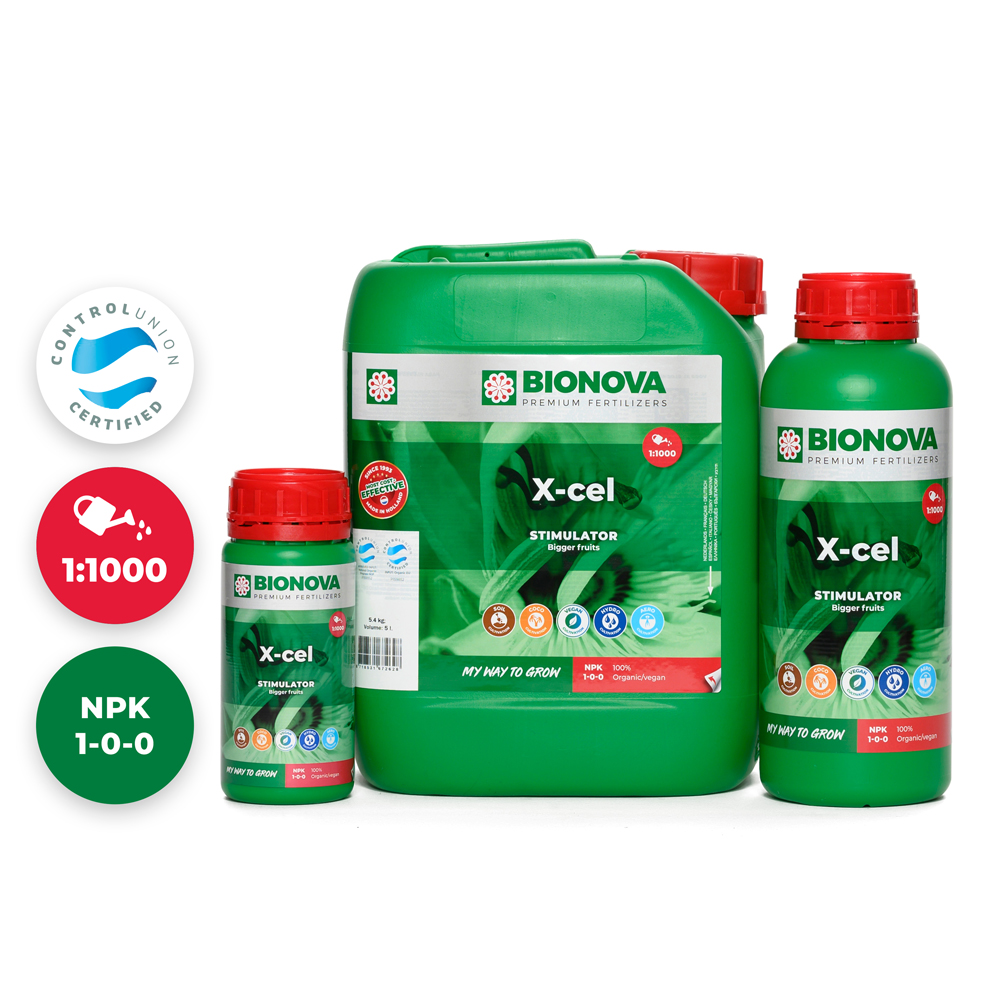
X-ceL Excellent growth and bloom stimulator WHY Considerably increases the yield and quality of all treated plants! The combination of amino acids actively stimulates the crop’s hormone balance! More dry weight in the end product! Organic extracts stimulate the metabolism, especially photosynthesis and therefore the formation of carbohydrates! What is X-cel? X-cel is a certified organic/vegan stimulator. The sophisticated combination of components stimulates biochemical functions at all levels. The organic extracts stimulate the metabolism, especially photosynthesis and therefore the formation of carbohydrates. The combination of amino acids in X-cel actively stimulates the plant’s hormone balance. When should X-cel be used? Use X-cel from the first week of growth until the last week of flowering. X-cel can be used in combination with all Bionova nutrients, stimulators, minerals, universal products and substrates.How do I use X-cel? Application via wateringUse this solution every time the plants are watered throughout the whole growing period. Shake well and add 5-10 ml per 10 litres when you prepare your nutrient solution. Tips from the growers! Mix X-cel, TML and Silution as a foliar spray in the vegetative phase for maximum results! Start with 1.5 ml of Silution and leave it for at least 30 minutes to stabilise! Then mix in 2.5 ml of X-cel and 2.5 ml of TML. Now you are ready for the best possible results!For the biggest fruit and flowers! WHAT’S INSIDE? Biotin, carotenes, choline, folic acid, folinic acid, niacin, riboflavin, tocopherol: 1. Positive effect on plant fitness, as they protect plants against abiotic stress conditions such as salinity, drought, heat, metal toxicity, ozone and UV radiation; 2. Contributes to photosynthesis; 3. Improves adventitious root formation; 4. Regulates a plant’s metabolic functions and helps plants grow more vigorously and healthily. 5. Riboflavin is needed for normal plant growth and development. Amino acids, humic acid and yucca extract: 1. Certified for organic farming; 2. Higher uptake of nutrients and minerals; 3. Improved distribution and increased effectiveness of fertilisers and crop protection products; 4. Chelating and strengthening effect on the applied trace elements; 5. Better water uptake and reduction of dry spots in the soil; 6. Stimulation of beneficial soil bacteria, leading to faster root growth. Seaweed: 1. Helps seeds germinate faster; 2. High cytokinin levels; 3. Improves taking cuttings; 4. Promotes rooting; 5. Builds immunity; 6. Adds more colour and taste; 7. Gives a longer shelf life; 8. Produces more and bigger buds and flowers; 9. Combats nutrient deficiencies as well as insects and diseases. Desmolase, hydrolase, lyases, transferase: 1. Plays a significant role in cell respiration and fermentation; 2. Breaks down the fungal cell wall; 3. Catalyses the breaking of a chemical bond between two parts of a molecule; 4. Plays an important role in protecting plant tissue against pest and pathogen attacks. 5. Protease inhibitors are essential for the growth and development of the organism. Aspartic acid, alginic acid, butyric acid, citric acid, lactic acid: 1. Produce the amino acids lysine, threonine, methionine and isoleucine; 2. Moisture retention in dry periods; 3. Alginic acid in the soil promotes bacterial growth; 4. Promotes the growth and development of roots, flowers and fruit; 5. Supports the Krebs cycle for better photosynthesis; 6. Promotes plant growth and biomass by increasing chlorophyll content. Adenine, auxin (IAA, ABA), betaines, tripeptide glutathione:1. Growth stimulators – controlling cell division, differentiation and elongation, embryo development, root and stem tropism, flowering-optimised growth, counteracting metabolic disorders. They can stimulate both the differentiation and the growth of axillary buds. Organic soil improver NPK 1-0-0 1% total nitrogen (N), of which: 1% organic nitrogen (N) of plant origin Also contains: kelp, humic acids, amino acids.